This post was published by a guest. The views expressed are those of the author and do not necessarily reflect the views of Scified.com.
Every seasoned gambler understands this: survival isn’t about beating the system, it’s about reading it. In a different galaxy, Ellen Ripley figured that out too. While battling acid-blooded predators or shape-shifting xenomorphs, the characters of sci-fi classics rarely have better than a coin flip chance of making it through. But they survive, sometimes spectacularly, because they know how to weigh risk, adapt fast, and play the odds smarter than the creature hunting them.
That blend of odds, instinct, and decision-making has a surprising overlap with high-stakes strategy in gaming, particularly in environments like blackjack tables, crash game lobbies, and roulette wheels. The tension may be fictional in space, but the probabilities are real when you’re placing bets.
Reading the Room, Whether It’s a Spaceship or a Casino
When players walk into a room, be it a smoky cantina on a desert planet or an online blackjack lobby, the first task is the same: assess the environment. What’s at play? What’s hidden? Who’s bluffing? The smartest characters in sci-fi rarely rush in guns blazing. Instead, they decode patterns and stay alert. This isn’t far from what regular players do in a quality online casino.
In gaming spaces where outcomes rely on structured probabilities, players often benefit from staying sharp, just like those navigating alien terrains. The quality of the platform matters here. A trusted environment gives users a fair shot. Take online casino platforms like JackpotCity, for instance. They’ve built systems where every move (win or lose) traces back to transparent mechanics. Players know what they’re walking into, and that awareness is half the game.
This is where sci-fi and strategy collide. Players who get hooked on unpredictable environments tend to do better when they know the rules beneath the surface. Whether it’s a calculated roulette move or Ripley programming the Nostromo’s self-destruct, survival starts with knowing your system.
When the Predator Is Probability
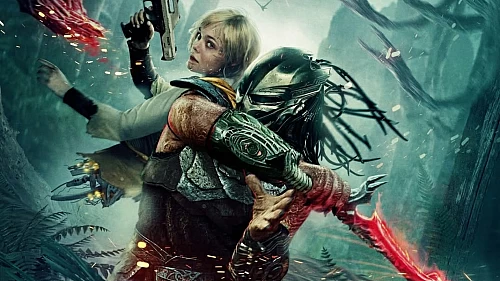
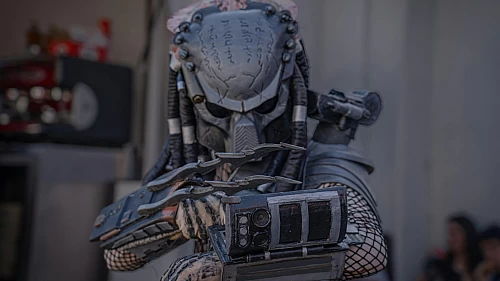
In the movie Predator, a group of elite soldiers armed with the best tech money can buy still gets picked off one by one. Their mistake? Underestimating the rules of engagement. The creature wasn't playing by human logic. It studied them first. It adapted.
Probability in gaming feels the same. Players who go all-in on intuition without recognizing the math behind outcomes often fall into familiar traps. Luck isn’t the enemy, but it’s not your ally either. It just moves — consistently, relentlessly, like a silent hunter.
Understanding house edge, return-to-player (RTP) percentages, and volatility helps players sidestep emotional decisions. It gives structure to uncertainty. Think of it this way:
- A slot machine with a 95% RTP is like a jungle path with footprints. You know something’s ahead, even if you don’t know exactly what.
- High-volatility games act like ambush points. There’s potential for a big reward, but the risk of empty returns is just as sharp.
Most sci-fi heroes don’t get nine lives. Neither do players with limited bankrolls. The ones who stay in the game longest are the ones who recognize that some scenarios look like luck, but are actually shaped by probability.
Strategic Play Isn’t Always the Loudest Move
Not every sci-fi survivor wins by being the strongest. Sometimes it’s about the side-step. Sarah Connor didn’t overpower the Terminator in a head-on brawl. She learned how to anticipate its logic, then flipped the script.
The best players do something similar. They avoid chasing losses or diving into new games without prep. They build rhythm, read patterns, and stay disciplined.
In survival-themed titles, especially multiplayer formats, players work with odds in real time. Think of the moments in Among Us where trust and suspicion blur. That’s probability in action — players assess patterns, compare outcomes, and make bets on who’s the imposter based on incomplete data. That sort of instinct isn’t far from reading table behavior in a live poker room or knowing when a crash game is entering a dangerous slope.
These are moments where success isn’t about high stakes, it’s about sharp calls.
Lessons From the Airlock: Risk Thresholds and Payout Ceilings
Risk is easier to manage when you understand your ceiling. In a scene that’s become legendary, Ripley ejects the xenomorph into space, not by chance, but by pushing the environment to its tipping point.
Players face similar thresholds. Payout ceilings, withdrawal caps, and time-based bonuses all work like pressure valves. Push too far without knowing them, and the system resets. But if you time the sequence right, the odds shift in your favor, not for guaranteed wins, but for better positions.
Smart players usually work within defined limits. They set session goals. They log exit points. They understand the difference between variance and recklessness.
Here’s how that looks in practical terms:
- Players on crash games monitor acceleration speeds. Once patterns show a sharp drop after the third round, they adjust their position rather than chasing that elusive multiplier.
- On live roulette, some follow specific table behaviors (like monitoring sequences of red/black or odd/even) before engaging. This isn’t superstition. It’s trend tracking.
Much like dealing with an unpredictable alien lifeform, sometimes survival means knowing when to exit and seal the door.
Adaptation as The Only Constant in Chaos
Iconic sci-fi stories center on adaptation. Whether it’s humans evolving to breathe on Mars or AI developing its own code, the universe favors the flexible. That applies just as much to high-skill gaming environments.
One of the more overlooked strategies among players is the pivot. When a particular game type turns cold, strategic users switch modes. They move from slots to live games, or from high-risk play to demo environments where they can test new ideas without losing real chips.
This flexibility mirrors the way scientists in films like The Thing try multiple methods before landing on a solution. They probe, gather data, then evolve their approach. That’s what keeps users engaged — not endless wins, but meaningful engagement with systems that reward understanding and adaptability.

Pluribus Creator Intended to Riff Off Genre Headliners, But Perhaps Didn’t Expect This Connection
From the creator of Breaking Bad and Better Call Saul, expectations were notably high for the Apple TV+ release of Pluribus. The platform’s risi...

Watch 2 new Mercy (2026) movie clips ahead of the film's January 23rd release date!
Amazon's MGM Studios have just released 2 new movie clips from Mercy starring Chris Pratt and Rebecca Ferguson.

Stranger Things Season 5 Episode 7 suffers big drop in ratings ahead of the series finale!
Season 5 saw a sharp drop in ratings at the conclusion of Episode 7 – The Bridge, with many fans disappointed by drawn-out scenes and questionable writing.

Weta Workshop share King Kong concept art to commemorate film's 20th anniversary!
Take a look back at some awesome early artwork created for Peter Jackson's iconic King Kong movie!

Disney just signed a deal with OpenAI to let Sora curate videos using Star Wars, Marvel, Pixar & other Disney characters.
Disney have made headlines by partnering with OpenAI to let the platform have access to Disney properties and characters from Star Wars, Marvel, Pixar and more.